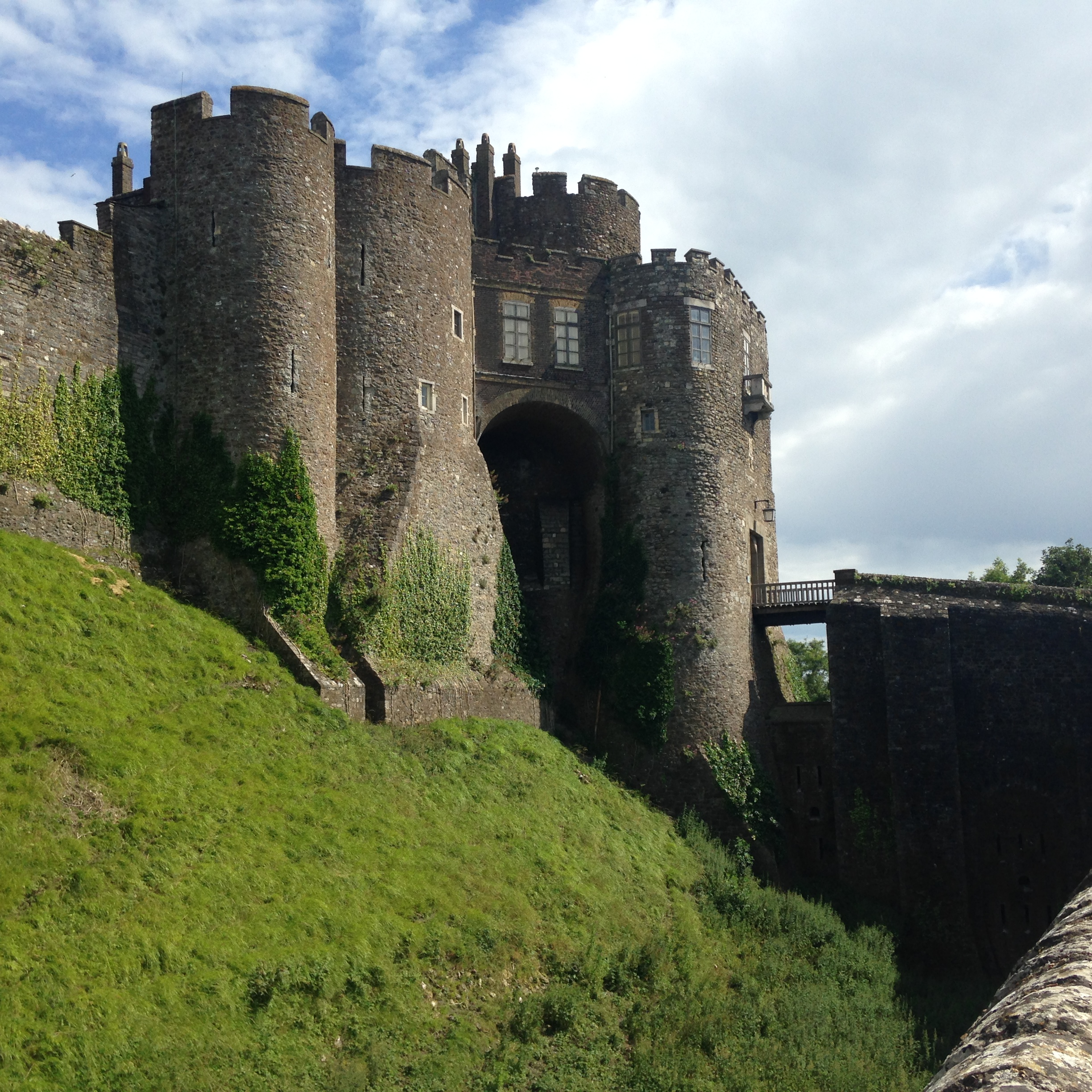


Perched high on the White Cliffs of Dover, Dover Castle is one of England’s most impressive and storied fortresses. Known as the “Key to England” for its strategic position guarding the shortest sea crossing to France, the castle has been at the heart of the nation’s defense for nearly 1,000 years. From Roman engineers to medieval kings, from Napoleonic soldiers to World War II strategists, Dover Castle has witnessed it all. Here’s everything you need to know about visiting this iconic landmark.
Getting to Dover Castle from London
Visiting Dover Castle makes for an easy and unforgettable day trip from London.
- By train: High-speed services run from London St. Pancras International to Dover Priory Station, taking just over an hour. When I visited, there were landslides across the tracks, so I had to transfer to a double decker bus for a portion of the trip. While it took a bit longer, I did get to enjoy much more of the very rural countryside. Once you arrive at the station, it’s a bit of an uphill walk… to maximize your time consider taking a short taxi ride to the castle.
- By car: The drive from London takes about two hours via the M20 or A2, with ample parking available at the site.
- By coach or tour: Several tour operators run day trips that combine Dover Castle with other highlights of Kent, like Canterbury and the White Cliffs.

A Royal Stronghold Through the Centuries
Few castles in England can boast such a long and distinguished royal history. The land here was occupied by Romans where they erected a lighthouse, remnants of which still stand to this day. Dover Castle itself was first fortified by William the Conqueror in the 11th century. Successive monarchs expanded and adapted it to meet the challenges of their times.
- Henry II built the magnificent stone keep in the 1180s, one of the largest in England, as a statement of royal power.
- King John and Henry III strengthened the castle during the French invasions of the 13th century.
- Edward I further reinforced it as part of his coastal defenses.
- In later centuries, Dover Castle was modernized to resist gunpowder weaponry. It remained a vital garrison through the Tudor and Stuart eras.
Even into the 20th century, it retained its reputation as the “Key to England,” playing crucial roles during both World Wars.


The Great Tower and Ramparts
The centerpiece of Dover Castle is the Great Tower, or keep, built under Henry II. Step inside and you’ll find richly recreated interiors that bring the medieval world to life. You’ll see everything from the King’s Hall and royal bedchambers to the kitchens where feasts were prepared.

Climb to the ramparts for sweeping views of the English Channel. On a clear day, you can see across to France. Gazing across the channel, you are reminded why this site has always been so strategically important. The sheer scale of the walls and earthworks surrounding the tower demonstrates why the castle was never successfully taken by force.

Looking back the other way, inland, and you get a great view of the span of the original perimeter walls coming to an acute angle.

The Grand Shaft and World War II
One of Dover Castle’s most fascinating engineering marvels is the Grand Shaft, a 140-foot triple-helix staircase cut into the cliffs during the Napoleonic Wars. This ingenious design allowed troops to descend rapidly from the barracks to the harbor in case of invasion.
The Grand Shaft came into its own again during World War II. Dover became the front line of Britain’s defenses against Nazi Germany. The shaft was used for quick troop movement. The wider castle grounds became a command center, coordinating the evacuation of Dunkirk. It later served as a hospital and communication hub.


The Underground Tunnels
Beneath Dover Castle lies a hidden world that you can explore when you visit. There are miles of underground tunnels carved into the chalk cliffs. Originally dug during the Napoleonic era, they were later expanded and transformed into a wartime nerve center.
During World War II, Admiral Sir Bertram Ramsay directed the Dunkirk evacuation (Operation Dynamo) from these very tunnels. Walking through them today, with atmospheric sounds and projections recreating the chaos of 1940, is an unforgettable experience. They were also adapted for use during the Cold War as a potential regional seat of government in case of nuclear attack.


The Roman Lighthouse (Pharos)
Long before William the Conqueror or Henry II, Dover was already a place of military importance. Next to the castle stands one of the best-preserved Roman lighthouses (pharos) in Europe, built nearly 2,000 years ago. Its purpose was to guide ships into the Roman port below, but its survival through the centuries is remarkable. Standing alongside the medieval St. Mary-in-Castro church, the lighthouse is a striking reminder of Dover’s enduring strategic value.

Nearby Attractions
A visit to Dover Castle pairs perfectly with other highlights in the area:
- The White Cliffs of Dover – Just a short walk from the castle, these iconic cliffs offer breathtaking coastal walks and panoramic views across the Channel.
- Dover College – Housed in historic buildings that once formed part of the medieval priory of St. Martin, this prestigious school adds another layer of history to the town.
- Dover Museum and Bronze Age Boat Gallery – Home to the world’s oldest known seagoing vessel.
- South Foreland Lighthouse – A Victorian lighthouse perched on the cliffs, famous for hosting Marconi’s early radio experiments.

Why Dover Castle Should Be on Your Itinerary
Dover Castle is more than just a medieval fortress. It’s a living timeline of British history, with stories stretching from the Romans to the Cold War. Whether you’re exploring the richly decorated Great Tower, descending the Grand Shaft, or wandering through wartime tunnels, you’ll find yourself immersed in centuries of drama, defense, and determination.
For history lovers, day-trippers from London, or anyone intrigued by England’s coastal heritage, Dover Castle is an absolute must-visit.