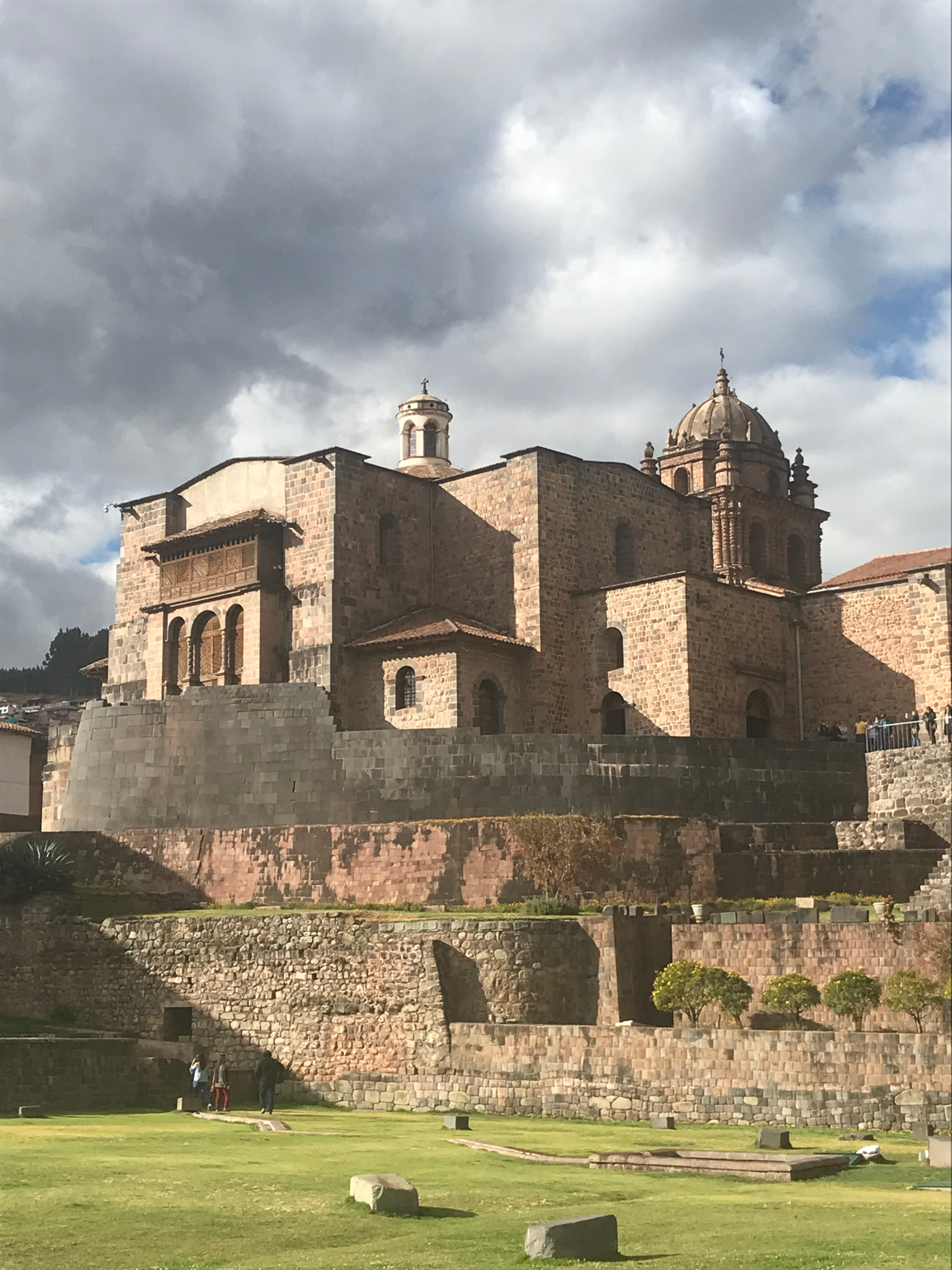


Cusco, often called the “navel of the world,” was once the glittering capital of the Inca Empire. At its height in the 15th century, the city was the center of administration, religion, and culture for the largest empire in pre-Columbian America. After the Spanish conquest in the 16th century, many of Cusco’s temples and palaces were razed, only to be replaced with colonial churches and mansions—often built directly on top of the Inca stone foundations. Today, this layering of cultures is visible everywhere you look, giving Cusco a character that’s both deeply historic and vibrantly modern.
Altitude: How to Prepare and Acclimate
At over 11,000 feet (3,400 meters) above sea level, Cusco’s altitude can surprise even seasoned travelers. Headaches, shortness of breath, or fatigue are common at first. Smart travelers pack light layers (the weather can shift quickly), hydrate constantly, and bring along coca tea bags or leaves—an ancient Andean remedy for altitude adjustment.
On arrival, give yourself a day or two to take it easy: walk slowly, avoid heavy meals or alcohol, and rest if you feel lightheaded. A small supply of altitude medication (consulted with your doctor beforehand) is also wise.
Exploring the City and Historic Sites
Cusco’s charm lies in its blend of Inca and Spanish colonial architecture. The best place to begin is Plaza de Armas, the city’s main square, framed by grand churches and lively arcades. The Cathedral of Cusco and the Church of the Society of Jesus showcase Spanish baroque splendor, while the foundations beneath reveal Inca craftsmanship. A short walk uphill takes you to San Blas, the bohemian quarter, filled with artisans’ studios and narrow cobbled streets.
For history buffs, don’t miss Qorikancha, once the most important Inca temple dedicated to the Sun God. Its massive stone walls still stand, even though the Spanish built the Convent of Santo Domingo on top of them.

Suggested Walking Tour
Start at Plaza de Armas, visiting the Cathedral and the Jesuit Church. Walk down Loreto Street, where original Inca walls line the narrow passage. Then head to Qorikancha, before making your way up through the charming lanes to San Blas for art, views, and a slower pace. Along the way, stop for a coffee or fresh juice to recharge—Cusco is a city best savored on foot.

Cusco’s Food Scene
Cusco’s cuisine is as rich as its history. Adventurous eaters should try cuy (guinea pig), a traditional Andean delicacy often roasted and served whole. For something more approachable, dishes like alpaca steak or hearty quinoa soups are delicious staples. Don’t miss Cusco’s flourishing chocolate scene either—the region produces some of the finest cacao in the world, and many shops let you sample artisanal chocolates or even join a workshop.
Recommended Restaurants
- Cicciolina – A cozy spot just off Plaza de Armas serving creative tapas and pasta with Andean ingredients.
- Chicha by Gastón Acurio – Celebrated Peruvian chef Gastón Acurio brings modern flair to traditional dishes.
- Pachapapa – Located in San Blas, this restaurant is famous for its wood-fired oven and traditional Andean fare.
Cooking Classes in Cusco
If you want to bring a taste of Cusco home, try a cooking class. Cusco Culinary offers market tours followed by hands-on classes, teaching you to prepare dishes like causa, lomo saltado, and quinoa salad. Marcelo Batata Cooking Classes is another excellent option, combining cooking with a deep dive into Peruvian food culture.
We took a cooking class and we made Pisco Sours and an authentic Peruvian Ceviche, which is the national dish of Peru, to start out. We also made Lomo Saltido, which is stir-fried marinated beef. After we enjoyed our delicious entrees, we made Picarones, which are traditional sweet potato doughnuts, and lastly a purple corn pudding, called Mazamorra Morada. This is the city’s most popular and authentic dessert, which has a wonderful purple color and unique flavor. Our instructors had everything pre-prepared to make the best use of our time in the kitchen. For example, the beef and the corn were already marinating when we arrived. We primarily participated in the active cooking part – which was perfect for us.


Shopping in Cusco
Cusco is a shopper’s paradise. On and around Plaza de Armas, you’ll find everything from alpaca sweaters to handwoven textiles. For artisan goods, the San Blas neighborhood offers workshops and small boutiques where you can find unique, locally made crafts and jewelry.
For a true sensory experience, head to San Pedro Market, an open-air maze of food, spices, herbal remedies, and local snacks—don’t leave without tasting a fresh juice from one of the stalls. And bring home some local spices such as huacatay or aji amarillo.

A Perfect Day in Cusco: History, Food, and Culture in the Andes
Morning: Start in Plaza de Armas
Begin your day at Plaza de Armas, the lively heart of Cusco. Sit at one of the cafes on the balcony overlooking the square, sip a coca tea, and watch the city come alive. From here, visit the Cathedral of Cusco, filled with gilded altars, intricate paintings, and colonial art with Andean touches. Step across to the Jesuit Church (Iglesia de la Compañía de Jesús), another baroque masterpiece that was once a point of rivalry with the cathedral.
From the square, walk down Loreto Street, where perfectly cut Inca walls line the narrow corridor—a striking reminder of the city’s ancient engineering. Continue to Qorikancha, the most important Inca temple, dedicated to the Sun God. Though the Spanish built the Santo Domingo convent atop it, the precision of the Inca stonework remains unmatched.
Late Morning: Stroll to San Blas
Wander uphill into San Blas, Cusco’s bohemian quarter. The walk is a little steep, but you’ll be rewarded with cobbled streets, artisan studios, and small plazas shaded by trees. Visit a few workshops, where local craftsmen create textiles, paintings, and wood carvings using traditional methods.
Pause at a café in San Blas for a coffee or fresh juice before heading back down.
Lunch: Traditional Flavors
Stop at Pachapapa in San Blas for lunch, a restaurant known for its wood-fired oven. Here you can sample cuy (guinea pig), various types of steak, or comforting Andean soups. If you prefer something lighter, order causa (a layered potato dish) or tamales wrapped in corn husks.
Afternoon: Museums and Market Life
Spend your early afternoon at the Museo Inka, located near the Cathedral, where you’ll see artifacts that tell the story of the Inca Empire—stone tools, textiles, ceramics, and even mummies.
From there, walk over to the San Pedro Market, Cusco’s bustling open-air food and spice market. The smells of fresh herbs, sizzling street food, and tropical fruit juices fill the air. Try a glass of fresh papaya or mango juice, and wander through stalls selling everything from quinoa to handmade cheese. It’s also a great place to see daily Cusco life in action.
Sweet Stop: Chocolate
Cusco is world-renowned for its cacao, so stop at the ChocoMuseo. You can sample chocolate made from beans grown in the Peruvian Amazon, sip hot chocolate, or even sign up for a mini workshop to make your own treats.
Evening: Dinner and Nightlife
As the sun sets, Cusco glows with golden light over its red-tiled rooftops. For dinner, head to Cicciolina, a charming spot tucked just off the Plaza de Armas, famous for its tapas and pastas infused with local flavors. If you’d like something more upscale, Chicha by Gastón Acurio offers elevated Peruvian cuisine with a modern twist.
After dinner, stroll back through the Plaza de Armas, where locals and travelers gather in the evenings. If you’re up for nightlife, there are some very fun wine bars and lively pubs tucked around the square where you can toast to your day with a pisco sour. I definitely recommend Limbus Restobar, where you can enjoy beer, wine or cocktails while simultaneously relaxing with one of the best views looking out across the red rooftops of the city.
A perfect day in Cusco weaves together history, food, and culture. From the grandeur of Inca ruins and colonial cathedrals to the energy of the San Pedro Market and the indulgence of Peruvian chocolate, Cusco is a city that rewards curious travelers at every turn, and I can guarantee that you will fall in love with its charm. End your day under the Andean night sky, grateful for the mix of past and present that makes this city entirely unforgettable.


Closing Thoughts
Cusco is more than just a stopover on the way to Machu Picchu—it’s a beautiful and vibrant destination in its own right. With its rich history, breathtaking architecture, significant food culture, and warm, welcoming people, the city has a way of lingering in your memory long after you leave. Whether you’re sipping coca tea in the Plaza de Armas or shopping for handmade treasures in San Blas, Cusco invites you to slow down, explore, and connect with the spirit of the Andes.