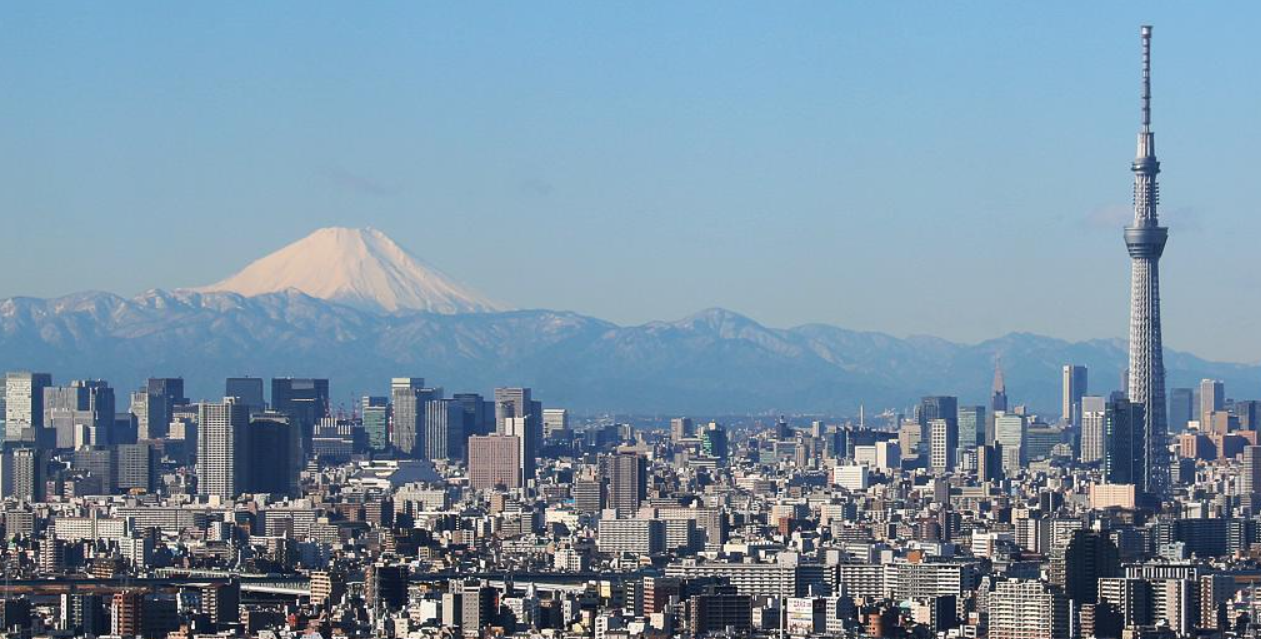

Tokyo is a city that effortlessly blends ultramodern innovation with deep-rooted tradition. Tokyo for business travelers offers not only world-class meeting facilities and efficient public transport but also a wealth of cultural experiences and culinary delights that can enrich your trip beyond the boardroom. Navigating Tokyo thoughtfully can open doors to meaningful connections and make your stay both productive and memorable.

Navigating Public Transportation
Tokyo’s public transportation system is famously efficient, but it can seem intimidating at first glance. Here’s what to keep in mind:
- IC Cards (Suica, Pasmo) – These rechargeable smart cards are your best friend for smooth travel on trains, buses, and even some taxis and convenience stores. They save you from buying individual tickets.
- Trains and Subways – The city’s metro is extensive and punctual. Use apps like Google Maps or Japan Transit Planner for real-time directions. Pay close attention to line colors and station names in both Japanese and English.
- Rush Hours – Morning (7:30–9:30 AM) and evening (5–7 PM) commutes are extremely crowded. If possible, schedule meetings outside these times or prepare for packed trains.
- Etiquette – Always queue patiently for trains, and do not rush or cut into the line. Stand on the correct side of escalators (left or right varies by area), and keep your phone on silent. Talking loudly or on the phone while on trains is frowned upon.
For shorter trips, taxis are clean, punctual, convenient, courteous and safe. Universally, every one of my drivers in Tokyo and Osaka has spoken fluent English. Once you get outside the bigger cities, such as in Kyoto or Nara, you may find less fluency.

Important Cultural Tips about Tokyo for Business Travelers
Understanding Japanese customs is crucial for building respect and trust in professional settings:
- Bowing – When entering or leaving a meeting room, a bow is customary. The depth and duration of the bow depend on the formality—generally, a polite nod from the waist is appropriate. Avoid handshakes unless your host initiates it. When meeting with a very formal and important client in Japan, the bow you give when leaving should be respectful and measured to reflect the level of formality. Typically, a deep bow of about 30 to 45 degrees from the waist is appropriate. Hold the bow for a moment longer than usual to show sincere respect and gratitude. Keep your back straight, eyes lowered, and avoid rushing—this demonstrates attentiveness and professionalism.
- Addressing Colleagues and Business Associates – Generally, you would address a business associate with their last name. Also, you will always add the gender neutral honorific suffix “-san” when addressing anyone. For example, if your contact is a client and his name is Nobu Obata, you would address him as either Obata-san or Mr. Obata, depending upon his cultural preference. If Nobu Obata works at your company and is a peer, he will usually ask you to address him by his first name, and you should add the honorific, in this case, Nobu-san. If your colleague is a direct report to you, you can drop the honorific. These rules for addressing businesspeople hold true when composing emails, too.
- Exchange of Business Cards (Meishi) – Even though many in America and Europe are moving away from business cards, exchanging business cards is still a fundamental part of Japanese business etiquette. Present and receive cards with both hands, holding the card so the recipient can read it easily. Take a moment to carefully look at the card before putting it away respectfully, ideally in a business card holder. Avoid writing on or folding the card in front of the giver, as this can be seen as disrespectful. When many attendees are present, the card exchange can create a long, orderly line— and if you are a business leader, you may be at the front of the line. Patience and attentiveness during this ritual are essential.
- Seating Arrangements – In business meetings, seating is often arranged by hierarchy, with the most senior person typically sitting farthest from the door. Seniority is not necessarily about age; but the one who will be leading the meeting. The visitor and/or presenter often takes the keystone seat. Even if you are leading the meeting, wait for your host to indicate where you should sit rather than choosing your own seat
- Speaking Turns – Japanese meetings tend to value harmony and listening. This is expressed in the concept of “wa” in the Japanese language. Avoid interrupting others and wait your turn to speak. Use a moderate tone and volume, and never raise your voice. If you are the presenter, be clear but respectful, allowing pauses for questions and feedback without rushing the discussion. If there is a translator, never interrupt and increase the frequency of your pauses so that the translator can capture the complete conversation.
- Gift Giving – Small, thoughtful gifts representing your home country are appreciated but should be presented with both hands and a slight bow. Avoid overly expensive items to prevent discomfort.
- Dining Etiquette – Wait to be seated and don’t start eating until the host or senior person says “Itadakimasu” (I humbly receive). Use chopsticks properly—never stick them upright in rice, use them for serving from a communal dish, or pass food directly from chopstick to chopstick, as these resemble funeral rites.
- Drinking with Hosts – It’s polite to pour drinks for others, especially seniors or clients, and to hold your glass with both hands when receiving a drink. Avoid pouring your own drink. Always wait for everyone to be served prior to drinking. Toast with a cheerful “Kanpai!” and drink together.
- Queuing – Japanese society highly values order. Whether at train stations, elevators, or taxis, always stand in line and wait your turn patiently. Cutting in line is a serious faux pas.
- Considerations for Female Business Leaders – While Japan has made enormous strides toward gender equality in the workplace, especially in many of the larger, multi-national companies, traditional gender roles may still influence some business interactions. Female leaders might find that men address male counterparts first or expect a more formal approach. Maintaining professionalism, confidence, and patience is key. It can be helpful to prepare for introductions and presentations with extra clarity and politeness, and to observe cues from hosts regarding seating and speaking order. Building relationships over time often helps to ease any initial cultural differences.

Culinary Experiences to Savor
Tokyo’s food scene is a blend of exquisite tradition and creative innovation. Tokyo cuisine for business travelers looking to impress clients or simply enjoy local flavors:
- Sushi – From high-end omakase counters to casual conveyor-belt sushi, Tokyo offers some of the freshest and most refined sushi in the world. Consider booking a reservation in advance for premium spots.
- Kaiseki – This traditional multi-course meal emphasizes seasonal ingredients and impeccable presentation. It’s ideal for formal dinners or special occasions.
- Ramen and Izakaya – For a more casual experience, enjoy ramen shops or izakayas (Japanese pubs) where you can try a variety of small dishes and drinks. Izakayas are great for relaxed after-work gatherings.
- Street Food – Try takoyaki (octopus balls), yakitori (grilled chicken skewers), and mochi desserts in markets or festival stalls. These are especially fun
What to Pack for Tokyo for Business Travelers
For a comfortable and respectful stay, consider:
- Business attire – Conservative suits are standard. Dark colors and minimal accessories are safest.
- Comfortable dress shoes – You’ll likely walk more than expected, so shoes that blend professionalism and comfort are ideal.
- Portable phone charger and adapters – Japan uses Type A and B plugs with 100V supply voltage.
- A compact umbrella – Weather can be unpredictable, especially during rainy seasons (June–July).
- Personalized business cards (Meishi) – Exchanging cards is a key part of introductions. Present and receive cards with both hands and study the card respectfully before putting it away.
For Female Business Travelers:
- Skirts or pants – Both are acceptable; however, tailored pantsuits may offer more comfort and mobility, especially when navigating crowded public transport. If wearing skirts, opt for knee-length or longer for professionalism.
- Stockings – Sheer stockings are still commonly worn in Japan by women in formal business settings and can add a polished look. Bring a few pairs in neutral tones.
- Sleeves — Most women in Japan wear long sleeves, even on warm days. Suits are common and when you are not wearing a jacket, it is still considered somewhat impolite to show bare arms.
- Makeup – Keep makeup natural and understated—think polished and professional rather than bold. Minimal foundation, neutral eye makeup, and soft lip colors are ideal. When walking through subways and train stations, you will see many advertisements and billboards featuring Asian women with blonde hair and a lot of makeup, however just as in many other countries, excessive makeup is generally a distraction in business settings.
- Accessories – Choose simple, classic pieces. Avoid flashy jewelry or anything that might distract during meetings

Essential Sites to See During Your Downtime
Even on a tight schedule, Tokyo’s dynamic energy is worth experiencing firsthand. Tokyo sites for business travelers:
- Meiji Shrine – A peaceful Shinto shrine nestled in a forested area near Harajuku. It’s a great place to observe traditional ceremonies and appreciate Japan’s spiritual heritage.
- Tsukiji Outer Market – While the inner wholesale market has moved, the outer market remains bustling with fresh seafood stalls and small eateries. Perfect for sampling sushi or sashimi between meetings.
- Tokyo Tower or Tokyo Skytree – For panoramic city views, these observation decks offer stunning vistas—ideal for an evening wind-down after a busy day.
- Asakusa and Senso-ji Temple – Tokyo’s oldest temple, surrounded by traditional shops and snack stalls. This area gives a glimpse into old Tokyo and its lively street culture.
- Roppongi Hills and Mori Art Museum – If you enjoy contemporary art and sleek architecture, this complex also has great restaurants and a rooftop garden.

Festivals in Japan: Timing and Participation
Japan’s festivals (matsuri) offer vibrant windows into its culture and traditions—often blending centuries-old rituals with lively celebrations. For Tokyo business travelers with some free time, attending a festival can provide a memorable cultural experience, and many welcome visitors to participate respectfully. Here are a few notable ones near Tokyo:
- Sanja Matsuri (May) – Held at Asakusa Shrine, this is one of Tokyo’s largest and most energetic festivals. It features massive mikoshi (portable shrines) carried through the streets by enthusiastic locals. Visitors can enjoy the festive atmosphere, watch traditional music and dance performances, and sample street food. Participation in carrying mikoshi is generally reserved for locals, but spectating is an immersive experience.
- Sumida River Fireworks Festival (July) – This iconic summer event lights up Tokyo’s skyline with spectacular fireworks over the Sumida River. While not participatory in a hands-on sense, joining the crowds along the riverbanks or from rooftop bars is a quintessential Tokyo summer experience.
- Kanda Matsuri (Mid-May, every two years) – One of Tokyo’s three major Shinto festivals, Kanda Matsuri involves parades of mikoshi through central Tokyo. Visitors can watch processions and enjoy food stalls, but direct participation is typically limited to community members.
- Cherry Blossom Festivals (Late March to early April) – Across Tokyo’s parks—like Ueno Park and Shinjuku Gyoen—the sakura (cherry blossoms) bloom spectacularly. Hanami (flower viewing) parties are a popular local pastime where visitors are welcome to join picnics, though it’s polite to respect the group’s space and clean up thoroughly afterward.
- Obon Festival (Mid-August) – Obon is a deeply spiritual Buddhist festival honoring ancestors. Families return to their hometowns to clean graves and hold ceremonies. In Tokyo, you’ll find lantern festivals and traditional Bon Odori dances. Visitors are welcome to observe these rituals respectfully, and some community dances invite tourists to join in the circle, celebrating the spirits of departed loved ones.
- Tokyo International Film Festival (October) – While not a traditional matsuri, this cultural event showcases Japanese and international cinema and offers chances for visitors to attend screenings, panels, and networking events.
Tips for Visitors at Festivals:
- Dress modestly and comfortably, as festivals often involve crowds and walking.
- If you have a host that has an extra Yukata, or a light Kimono, you may have the immense pleasure of getting to dress like a local for the event.
- Follow the lead of locals in participating, and observe any signs or announcements about restricted areas or activities.
- Use polite language and gestures if interacting with festival participants.
- Avoid eating or drinking while walking to respect local customs.

Tokyo for business travelers presents a unique blend of efficiency, elegance, and tradition to appreciate both professionally and personally. By understanding local customs and embracing the city’s diverse offerings, you’ll not only navigate Tokyo with confidence but also build business relationships that last well beyond your trip.