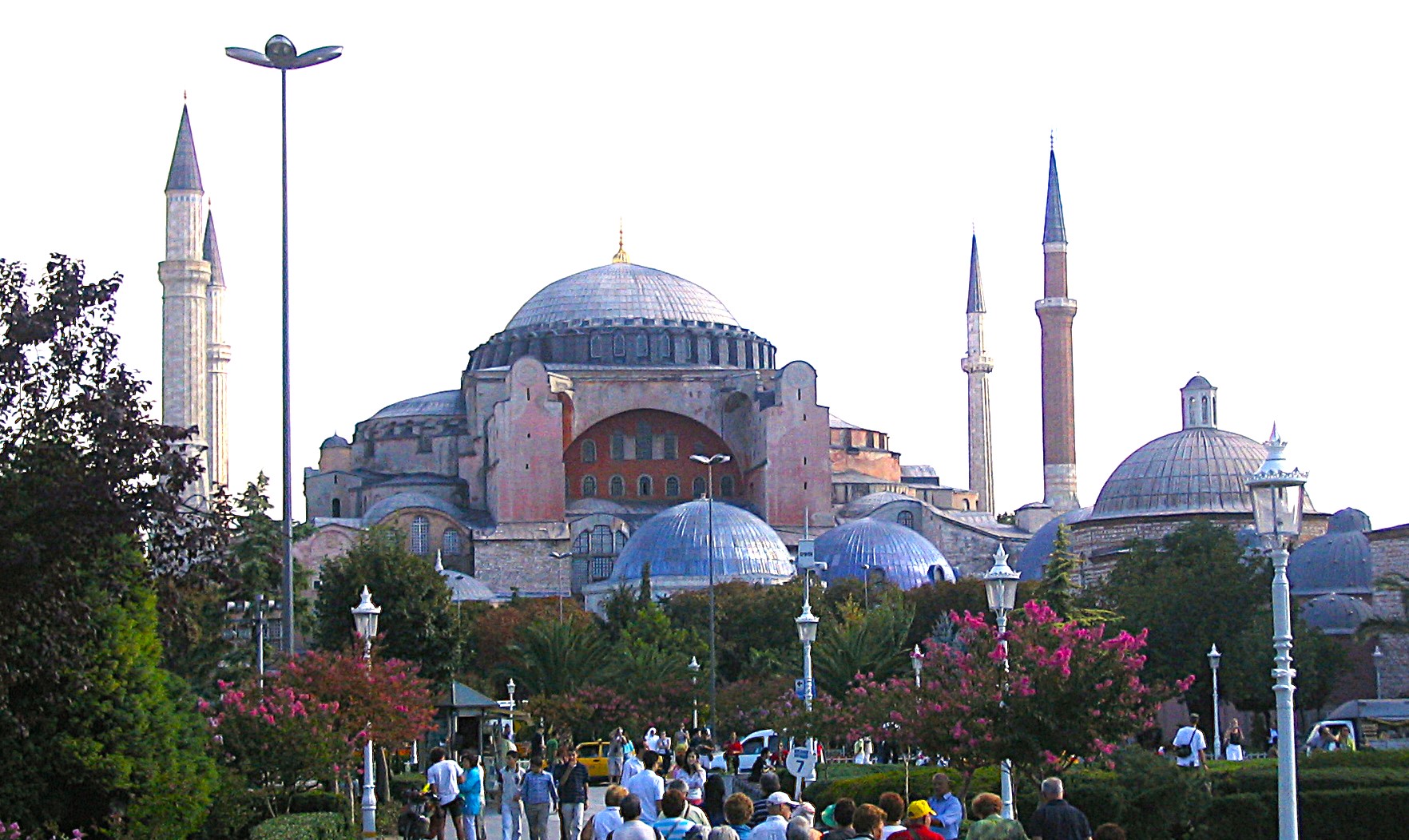

Straddling two continents and a thousand years of empires, Istanbul is one of the world’s great cities—messy and majestic, glittering and grounded. It’s where the call to prayer echoes over rooftop terraces and fishermen cast lines from bridges while trams rattle past Roman ruins. This city is not just a destination. It’s an experience that unfolds slowly, in tea glasses and side streets, through centuries of layered stone.

Where to Stay: Rooftops, History, and Neighborhood Charm
For first-time visitors, Sultanahmet is the obvious choice—and for good reason. You’ll be within walking distance of Istanbul’s most iconic sites: the Blue Mosque, Hagia Sophia, the Hippodrome, and the Basilica Cistern. Boutique hotels here often come with rooftop terraces offering stunning views of the Bosphorus. And you’ll likely fall asleep to the hauntingly beautiful sound of the evening ezan (call to prayer).
If you’re looking for something a bit more modern and local, Beyoğlu or Karaköy offer vibrant nightlife, art galleries, stylish cafes, and a younger crowd. For a quieter, more residential feel with easy ferry access, Üsküdar or Kadıköy on the Asian side are charming options. They offer a different pace—and often a better deal.
What to Eat (and Where to Linger)
Istanbul is a feast—both literal and visual. Start your day with a traditional Turkish breakfast (kahvaltı). This is a sprawling spread of fresh bread, cheese, olives, tomatoes, cucumbers, eggs, and honey. Pair it with strong Turkish tea, served in tulip-shaped glasses.
For your other meals, here are some local favorites:
- Try simit, the sesame-crusted street bread sold from red carts.
- Don’t miss köfte (Turkish meatballs)
- Many dishes include pide with your meal (Turkish flatbread)
- We loved manti (Turkish dumplings with yogurt and paprika butter).
- For seafood lovers, head to the restaurants under Galata Bridge for freshly grilled fish sandwiches.
One of the greatest pleasures of Istanbul is settling into a shaded outdoor patio. Many are beneath flowering vines or in the quiet courtyard of an old caravanserai. You’ll find cats lounging on cushions or shamelessly curling up in your lap. They are as much a part of the city’s soul as the skyline. Most cafés and restaurants are cat-friendly by default, and you might leave with more photos of felines than monuments.

Turkish Coffee: Ritual in a Cup
No visit to Istanbul is complete without sipping a cup of Turkish coffee, a UNESCO-recognized cultural tradition that’s as much about conversation and ceremony as it is about caffeine.
Made by boiling ultra-fine coffee grounds with water (and sometimes sugar) in a small cezve (a long-handled copper pot). Turkish coffee is poured unfiltered into a small porcelain cup. The grounds settle at the bottom, creating a thick, sludgy layer. Don’t drink the grounds —but some locals swear by reading fortunes from the residue left behind.
Turkish coffee is strong, rich, and thick, often served with a glass of water and a piece of Turkish delight. Don’t rush this ritual; it’s a drink to linger over, ideally in a shady courtyard or at a small outdoor café while people-watching.
Some of the best places to try it include:
- Mandabatmaz (near İstiklal Street): Beloved by locals for its famously thick coffee and no-frills atmosphere.
- Pierre Loti Café (Eyüp): Climb the steps or ride the cable car up the hill for panoramic views and a long, peaceful cup. This centuries old outdoor coffeehouse is famous for its magnificent view of the Golden Horn.
- Café Şark Kahvesi (in the Grand Bazaar): Traditional decor and a classic setting for a nostalgic break.
- Tarihi Sultanahmet Köftecisi (Sultanahmet): After your meal of meatballs, finish with a perfectly brewed cup.
Pro tip: Your server will ask how sweet you’d like your coffee when ordering. The options: sade (unsweetened), az şekerli (a little sugar), orta (medium), or şekerli (sweet). Choose carefully!
Visiting the Mosques: Awe, Architecture, and Quiet Moments
No visit to Istanbul is complete without stepping inside its majestic mosques. The Blue Mosque (Sultan Ahmed Mosque), with its six minarets and stunning blue İznik tiles, is still an active place of worship. Dress respectfully and remove your shoes before entering.

Nearby, the Hagia Sophia tells a far more complicated story. Once a Byzantine cathedral, then an Ottoman mosque, then a museum up until 2020, and now again a mosque. It is a profound example of architectural ambition and spiritual weight. The soaring dome, massive marble columns, and glimmers of ancient mosaics create a sense of quiet reverence.

Also worth visiting is the Süleymaniye Mosque. It sits on one of the city’s seven hills, offering a more peaceful experience and panoramic views over the Golden Horn.
The Historic Heart: Obelisks, Hippodromes, and Forgotten Theatres
The ancient Hippodrome of Constantinople, now Sultanahmet Square, was once the beating heart of Byzantine life. It hosted chariot races and imperial parades. While much of the original structure has vanished, remnants still remain. The Serpent Column, the Obelisk of Theodosius, and the Walled Obelisk, each whisper stories of triumph, rivalry, and spectacle.
Just behind the Blue Mosque lies a rarely visited Roman theatre, largely buried but visible from street level. Istanbul reveals its secrets, often half-hidden behind stone walls or beneath modern construction.


The Roman Aqueduct: A Bridge Between Eras
Stretching across a busy avenue in the Fatih district like a stone spine of time, the Valens Aqueduct is one of Istanbul’s most powerful—and quietly poetic—reminders of how this city lives with its past. It was built in the 4th century CE during the reign of Roman Emperor Valens. The aqueduct once carried fresh water into Constantinople, feeding the city’s elaborate system of cisterns, fountains, and baths.
Unlike many Roman ruins that sit behind ropes or inside museum glass, the aqueduct in Istanbul still stands right in the middle of daily life. A major thoroughfare—Atatürk Boulevard—runs directly beneath its stone arches. Buses, taxis, and scooters zip underneath as if the aqueduct were just another overpass. But elsewhere along its path, the aqueduct narrows, dipping into neighborhoods where homes are built directly between the ancient columns. In some places, laundry hangs on lines just steps from where water once flowed to emperors.

It is a structure that has been used, reused, and lived alongside by hundreds of generations. It is a lifeline for some, a shelter for others, and always a quiet protector watching over the city. Its age is undeniable with its weathered stones, worn edges, tufts of grass in crevices—but it is not a relic. It is a working part of Istanbul’s heartbeat, integral not just to its infrastructure, but to its soul.
To walk beside or beneath the Valens Aqueduct is to brush against history that isn’t behind glass. It’s still here, holding the weight of centuries. It reminds us that Istanbul doesn’t preserve the past as something separate—it lives inside it.
Bazaar Culture: What to Buy and How to Haggle
The Grand Bazaar is chaotic, colorful, and absolutely unmissable. It’s easy to get lost among the over 4,000 shops selling everything from gold to ceramics to toys and clothes and fake designer bags. And that’s half the fun. Haggling is expected, and is part of the cultural exchange. A few tips:
- Always smile and be polite.
- Expect to be offered apple tea (accept it—it’s part of the dance).
- Don’t feel pressured; walk away if needed. The seller might follow with a better offer.
Look for hand-painted ceramics, evil eye amulets, textiles, toys, and leather goods. But be aware: quality varies, and the prices start high. Treat it like theater, and enjoy the experience.
Cisterns: Underground Mystery and Medusa’s Gaze
Also beneath the streets, specifically under Sultanahmet, lie the ancient cisterns—underground water reservoirs built during the Byzantine era. The most famous, the Basilica Cistern, feels like entering a subterranean temple. Tall marble columns rise from dark water, flickering with reflections and moody lighting. At the far end, two massive and reused Medusa heads serve as column bases. Maybe the engineers decided that these strong but rejected Roman blocks were the perfect size for the cistern columns. Or maybe they thought it would be best to drown the image of the lady with the snakes for hair. Both blocks are at the bottom of the pillars. One is sideways, the other upside down—adding to the eerie atmosphere. The exact reason for their presence here is still debated, adding a mythic layer to a very real engineering marvel.
Smaller cisterns like the Binbirdirek Cistern (Cistern of 1,001 Columns) are also worth exploring for a quieter experience.


Descending Through Time: Underground Istanbul
In Istanbul, history isn’t only around you—it’s beneath you. Beneath the cobblestone streets, busy shops, and buzzing cafés lies a hidden city. Underground Istanbul is layered and alive, just waiting to be rediscovered. And sometimes, all it takes to find it is stepping through the right doorway.
In various corners of the old city—sometimes beneath an unassuming pizza shop, sometimes under a carpet store—you can descend into excavated spaces that peel back Istanbul’s skin, one civilization at a time. These aren’t polished museum exhibitions, but raw, tactile encounters with the past. You’ll walk down rough-cut stone steps into the cool, damp air. As you descend, find yourself surrounded by Roman vaulted ceilings, ancient stone walls, and structural arches that have held up the weight of empires.
What makes these spaces so magical is their lack of theatricality. There’s no velvet rope, no polished audio guide. In some spots, you’ll pass through Ottoman-era cisterns or cellar spaces still used for storage. Then you descend further down into clear, unmistakable Roman masonry. Here you can admire a rhythm of arches and stonework that feels entirely foreign to the modern world above, yet utterly solid and present.
These subterranean layers aren’t just archaeological curiosities. They’re proof of how Istanbul has never started over, but built upon itself, century after century. One empire rises over the bones of the last. One family’s shop sits above what was once a palace cistern. A restaurant’s wine cellar doubles as a late Roman chamber.
The city breathes vertically. It remembers.
If you’re lucky enough to be invited down—or stumble across a shopkeeper who proudly gestures toward a trap door—you’ll get to touch stones worn smooth by hands a thousand years old. You’ll stand in spaces where water once flowed, candles once flickered, and now—only echoes remain.
In Istanbul, history isn’t behind glass—it’s under your feet, waiting for you to descend.
The Carpet Sellers and the Art of Apple Tea
If you pause too long near a carpet shop, expect to be welcomed in with wide smiles and—you guessed it—apple tea. This is a tradition that feels half sales pitch, half cultural ritual. You’ll be shown carpets (and more carpets), told stories about patterns and dyes, and given a seat of honor.
While some sellers are pushy, many are genuinely hospitable. If you’re interested in buying, do your homework first. If you’re not, be clear—but gracious.
Walking the Walls: A Journey Through Time and Texture
Stretching around the city are the remnants of the Theodosian Walls, once protecting Constantinople from siege. Today, parts are crumbling, others restored, but they remain an extraordinary artifact of engineering and endurance.
Whether you walk or run (yes, runners: it’s a fascinating and relatively flat route!), you’ll notice the patchwork construction. You can see reused stones, columns, and marble slabs from earlier structures. This recycling of material is more than practical—it tells a story of resilience and adaptation. Some sections are wild and overgrown; others lead through neighborhoods where daily life buzzes in the shadows of history.
A Word of Caution: The Shoeshiner Scam
Istanbul is generally safe and welcoming, but travelers should be aware of a common street scam. A shoeshiner might “accidentally” drop a brush in front of you. If you pick it up, they thank you and offer a free shoeshine as a gesture of kindness. Only to demand payment afterward.
It’s best to smile and decline, or simply keep walking. We found that leveraging a sense of humor, and engaging these folks on a different level connects you and makes the encounter more of an adventure rather than a scam.
As always, trust your instincts and keep your valuables secure.
Final Thoughts
Istanbul is not a city to rush through—it’s one to absorb. To sit still in, to get lost in, to share tea with a stranger. Its contradictions are its charm: ancient and modern, majestic and gritty, sacred and irreverent. Spend your days marveling at domes and cisterns, and your evenings sipping tea on a patio filled with cats and conversation.
This isn’t a checklist city. It’s a city of layers—one best explored slowly, curiously, and with a healthy dose of wonder.