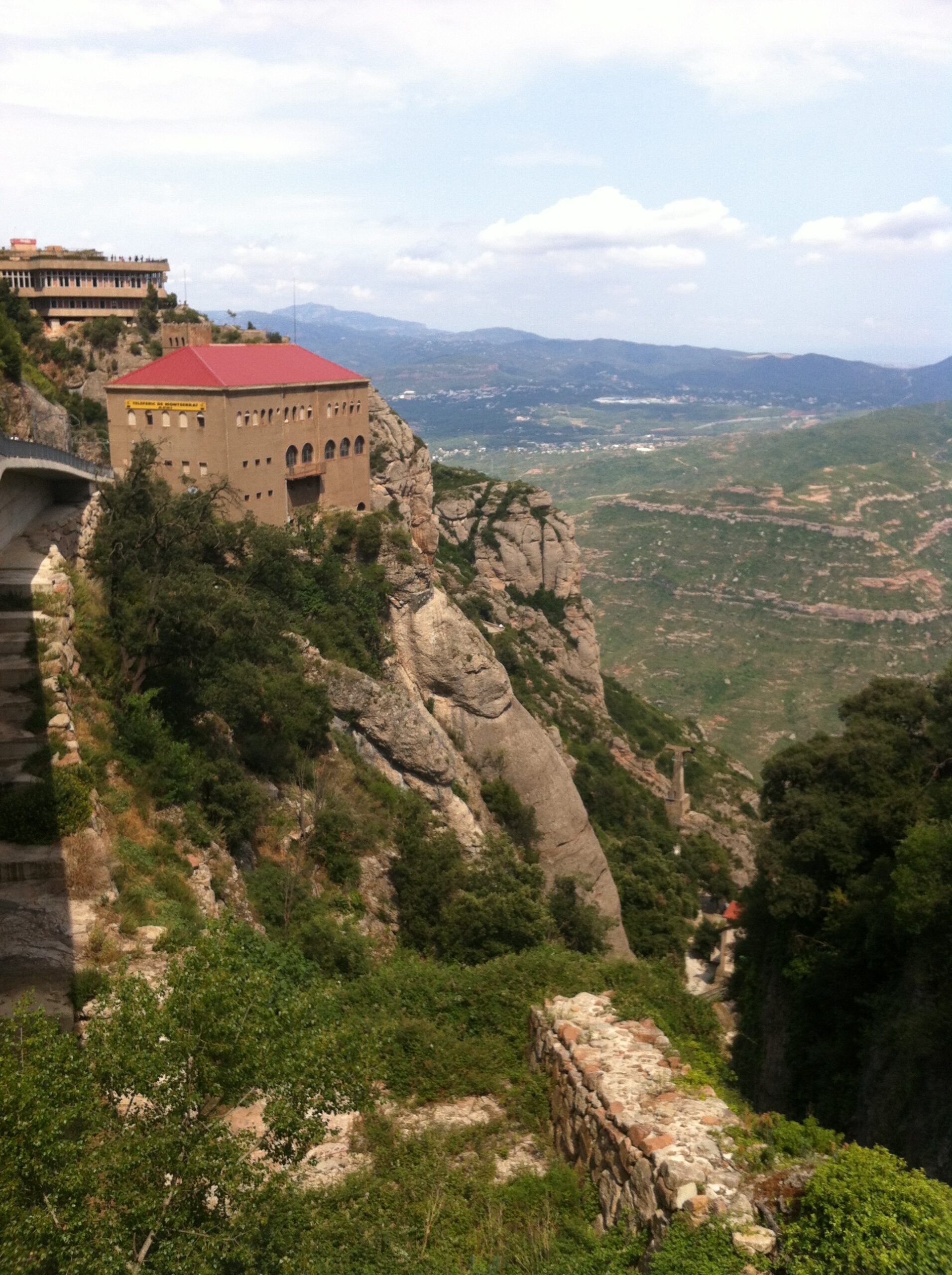

Just an hour outside of Barcelona lies one of Catalonia’s most captivating destinations—Montserrat. This dramatic mountain range, with its distinctive jagged peaks, is home to a centuries-old Benedictine monastery, revered religious icons, stunning views, and some of the best hiking in the region. Whether you’re making a pilgrimage to see the famed Black Madonna or simply escaping the city for fresh air and striking scenery, here’s everything you need to know before visiting Montserrat.

Getting to Montserrat
Montserrat is easily accessible from Barcelona via public transportation. The most popular route starts at Plaça Espanya station, where you can catch the FGC R5 line. From there, you have two options: disembark at Montserrat-Aeri and take the cable car to the monastery, or continue on to Monistrol de Montserrat and board the rack railway.
If you prefer, rental cars are generally widely available in Barcelona and driving in and around the coastal areas of Catalonia is easy.
The cable car (Aeri de Montserrat) offers sweeping views as it glides up the mountain in a thrilling ten-minute ride. Tickets cost around €9.30 one-way or €14 round-trip. If you prefer a more grounded and scenic ascent through the trees and cliffs, the rack railway (Cremallera de Montserrat) is another excellent option, costing about €8.70 one-way or €14.50 round-trip. A combined ticket for the train and cable or rack railway runs around €26.30. Several tour companies also offer guided day trips from Barcelona that include transportation, monastery access, tastings, and sometimes hikes or performances.
What to Expect
Montserrat is more than a mountain—for many it’s a spiritual and cultural experience. The towering rock formations surrounding the monastery create an awe-inspiring natural amphitheater. The site is both a place of pilgrimage and a nature reserve, blending religious significance with outdoor adventure.
At the heart of it all is the Santa Maria de Montserrat Abbey, home to a community of Benedictine monks and the famous Escolania boys’ choir. The choir performs daily (typically around 1:00 p.m. on weekdays and during Sunday Mass), and their clear, haunting voices echoing through the basilica are not to be missed.


The Black Madonna
Perhaps the most famous draw of Montserrat is “La Moreneta,” the Black Madonna. This 12th-century Romanesque statue, carved from wood and darkened over time (likely due to candle soot), holds deep significance for Catalonians and Catholics alike. According to legend, the statue was discovered in a nearby cave, and the monastery was built to honor it.
Visitors can view the Black Madonna inside the basilica. For a closer, more intimate experience—where you can touch the orb in her hand as many pilgrims do—you’ll need a timed entry ticket, often called the “Throne of Our Lady.” These can sell out in advance, especially during high season, so it’s wise to reserve early. Without this ticket, you’ll only be able to see the statue from a distance during general basilica access.

Exploring the Mountain
Beyond the religious attractions, Montserrat is also a haven for hikers and nature lovers. From the monastery, you can take the Sant Joan funicular higher into the mountains for panoramic views and access to trailheads. This funicular climbs over 800 feet in just six minutes, making it a quick way to reach some of the best hikes on the mountain.
One of the most popular trails leads to the summit of Sant Jeroni, the highest peak in the range at 1,236 meters (just over 4,000 feet). The hike from the top of the funicular to Sant Jeroni takes about 1.5–2 hours round-trip, depending on your pace, and rewards you with sweeping 360-degree views across Catalonia.
Another funicular descends to the Santa Cova chapel, the cave where legend says the Black Madonna was first found. You can ride the funicular down and hike back up, or do it in reverse. The path is steep but scenic, flanked by sculptures and crosses that mark the pilgrimage route.

What Else to See and Do
The Montserrat Museum is worth a stop, especially for art lovers. Its surprisingly robust collection includes works by Dalí, Caravaggio, Monet, and Picasso, as well as archaeological artifacts from the Holy Land. There’s also a gift shop and tasting area where you can sample and purchase liqueurs and other products made by the monks.
Food options on the mountain range from simple café fare to a self-service cafeteria and a full-service restaurant. You can also pack a picnic and find a quiet spot among the rocks or gardens. Don’t miss the chance to try “mel i mató,” a local dessert made of fresh cheese and drizzled with mountain honey.
Dress modestly if you plan to enter the basilica—shoulders and knees should be covered, and flip-flops or beachwear are discouraged.

Tips for a Smooth Visit
Plan ahead, especially if you want to see the Black Madonna up close or hear the choir sing. Aim to arrive early in the day to avoid crowds and maximize your time. If you’re visiting independently, allow at least six hours for the full experience, including travel time, sightseeing, hiking, and meals.
If you’re deciding between the rack railway and the cable car, know that both are scenic but offer slightly different experiences—the cable car is a more thrilling ride, while the railway offers a gentler, more immersive approach through the landscape.
Finally, bring layers. Even in summer, the temperature at the top can be cooler than in Barcelona, and weather conditions can change quickly.
Final Thoughts
Montserrat is a place where the spiritual and the natural meet in perfect harmony. The raw beauty of the mountains, the powerful presence of La Moreneta, and the voices of the boys’ choir combine to create a deeply moving experience. Whether you’re visiting for faith, art, adventure, or just a break from the city, Montserrat offers a day you won’t soon forget.