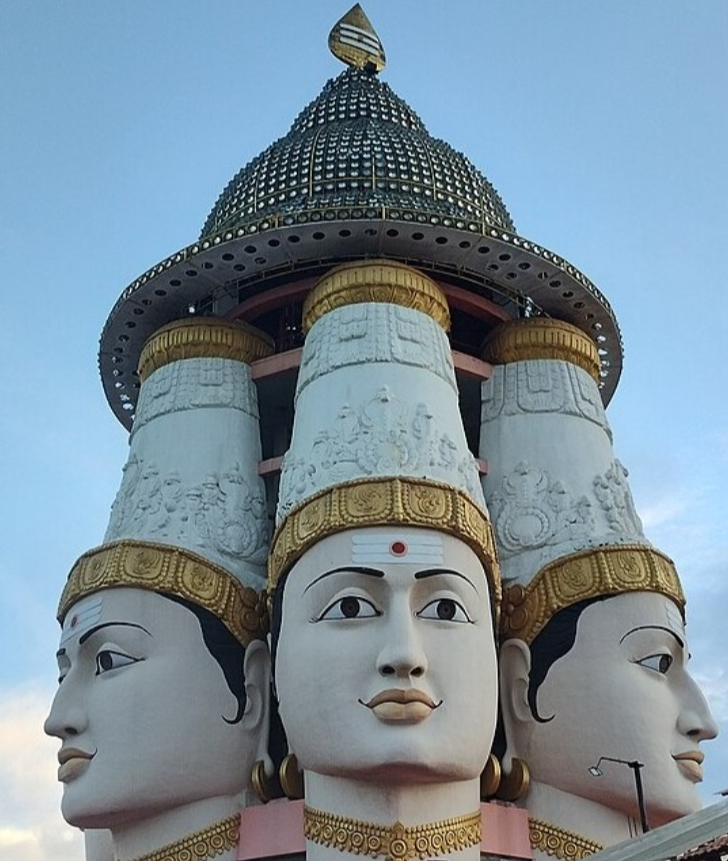


Bangalore—officially Bengaluru—is often described as India’s Silicon Valley, but that label only scratches the surface. For first-time visitors, the city can feel both energizing and overwhelming: modern office parks sit beside centuries-old temples, traffic hums constantly, and daily life unfolds at a pace that takes some adjustment. Knowing what to expect before you arrive can make all the difference, whether you’re visiting for work, leisure, or a mix of both.
Arriving and Getting Around
Air travelers arrive via Kempegowda International Airport, which is modern and well-organized. It is located about 25–40 kilometers from the city center depending on your destination. Immigration and baggage claim can take time, especially during peak hours, so patience is key. When returning to the airport, checkpoint guards check your passport before you can even enter the airport. Leave yourself lots of extra time both ways.
Once outside, app-based ride services like Uber and Ola are the easiest and most reliable way to get into the city, particularly if it’s your first visit. Prepaid airport taxis are another safe option. Buses are efficient, but better suited to travelers already familiar with the city.

Getting around Bangalore requires flexibility. Traffic is a defining feature, and travel times can be unpredictable no matter the distance. Build buffer time into your schedule and avoid judging distances by mileage alone. The metro is expanding and works well along certain corridors, but most visitors rely on rideshares or hired drivers. Walking is best reserved for quieter neighborhoods, parks, and markets rather than major roads.
What to Expect in Professional Settings
Bangalore is one of India’s most international cities when it comes to business culture. Offices are modern and English is widely spoken in professional environments. Meetings may feel familiar to visitors from the U.S. or Europe. That said, hierarchy and formality still matter. It’s common to address colleagues by their titles initially and allow relationships to warm naturally over time.
Dress codes tend to be business formal or business casual, depending on the industry. It’s always better to err on the conservative side for first meetings. Punctuality is valued, though schedules can shift due to traffic or competing priorities. I found meetings to be more relationship-driven than transactional, in contrast to many US-led calls. Time is spent on context and discussion before decisions are made. A respectful, patient approach goes a long way.
Things to Do in Your Downtime
Despite its reputation as a work-focused city, Bangalore offers plenty to explore once the workday ends. Known for its relatively mild climate (by Indian standards), the city is dotted with green spaces and parks. For me, these lovely spaces offered a welcome break from the traffic and bustle. Cubbon Park and Lalbagh Botanical Garden are favorites for morning walks or quiet afternoons.

Neighborhoods like Indiranagar and Koramangala are lively hubs filled with cafés, rooftop bars, and restaurants. For me, they are must stops for casual evenings out with colleagues. There are lively pubs and dancing and on weekends, streets are often thronging with locals. Take a cab, because these neighborhoods tend to be a little further from hotels and tech parks. But they are worth the trip for a good meal and fun night out.
Bangalore also has a strong craft beer scene, with microbreweries scattered throughout the city—a surprise to many first-time visitors. For culture and history, visit the Bangalore Palace (seen in Bollywood movies) or take in a performance at Ranga Shankara Theatre. These provide insight into the city’s layered past and creative present.

If you have extra time, Bangalore is also a gateway to nearby weekend escapes.
- Visit Bannerghatta National Park which has a zoo and safari, great for kids.
- Nandi Hills is a hilltop fortress which has history, hiking and some excellent birding.
- Ranganathittu Bird Sanctuary is a group of 6 lush islands that attract thousands of migratory birds.
- Try the hill towns of Coorg and Chikmagalur, known for coffee plantations and lush scenery. Coffee plantations offer tours, workshops and tastings.

Delicacies and Local Food to Try
Food is one of the most rewarding ways to experience Bangalore, and local cuisine reflects the traditions of Karnataka state. I started my mornings with a classic South Indian breakfast. Typically this included idli (steamed rice cakes), dosa (crispy fermented crepes), and vada (savory lentil fritters), all served with coconut chutney and sambar. These dishes are simple, comforting, and deeply rooted in daily life.
For lunch or dinner, try a traditional Karnataka meal served on a banana leaf, often called an Oota. It typically includes rice, vegetable curries, lentils, yogurt, and pickles, balanced with subtle spices rather than overwhelming heat. Local specialties like bisi bele bath (a spiced rice and lentil dish) and ragi mudde (millet balls eaten with curry). I found that these local dishes offer a taste of regional tradition beyond the more familiar Indian restaurant fare.

Street food is everywhere, from crispy masala dosas to chaats that mix sweet, sour, and spicy flavors in a single bite. If you’re cautious, choose busy stalls with high turnover.
And don’t leave without trying filter coffee. You’ll receive your filter coffee served in two cups to mix the strong coffee with hot milk and sugar, creating froth by pouring it back and forth, and cooling it to the perfect drinking temperature. It is strong, aromatic, and an essential part of Bangalore’s food culture.

Final Thoughts
Visiting Bangalore for the first time is an exercise in contrast. It is modern yet traditional, fast-paced yet deeply rooted in ritual and routine. With a bit of patience and a willingness to adapt, the city reveals itself through shared meals, conversations, and everyday life. It’s a place that rewards curiosity and leaves a lasting impression long after you’ve navigated your last traffic jam.