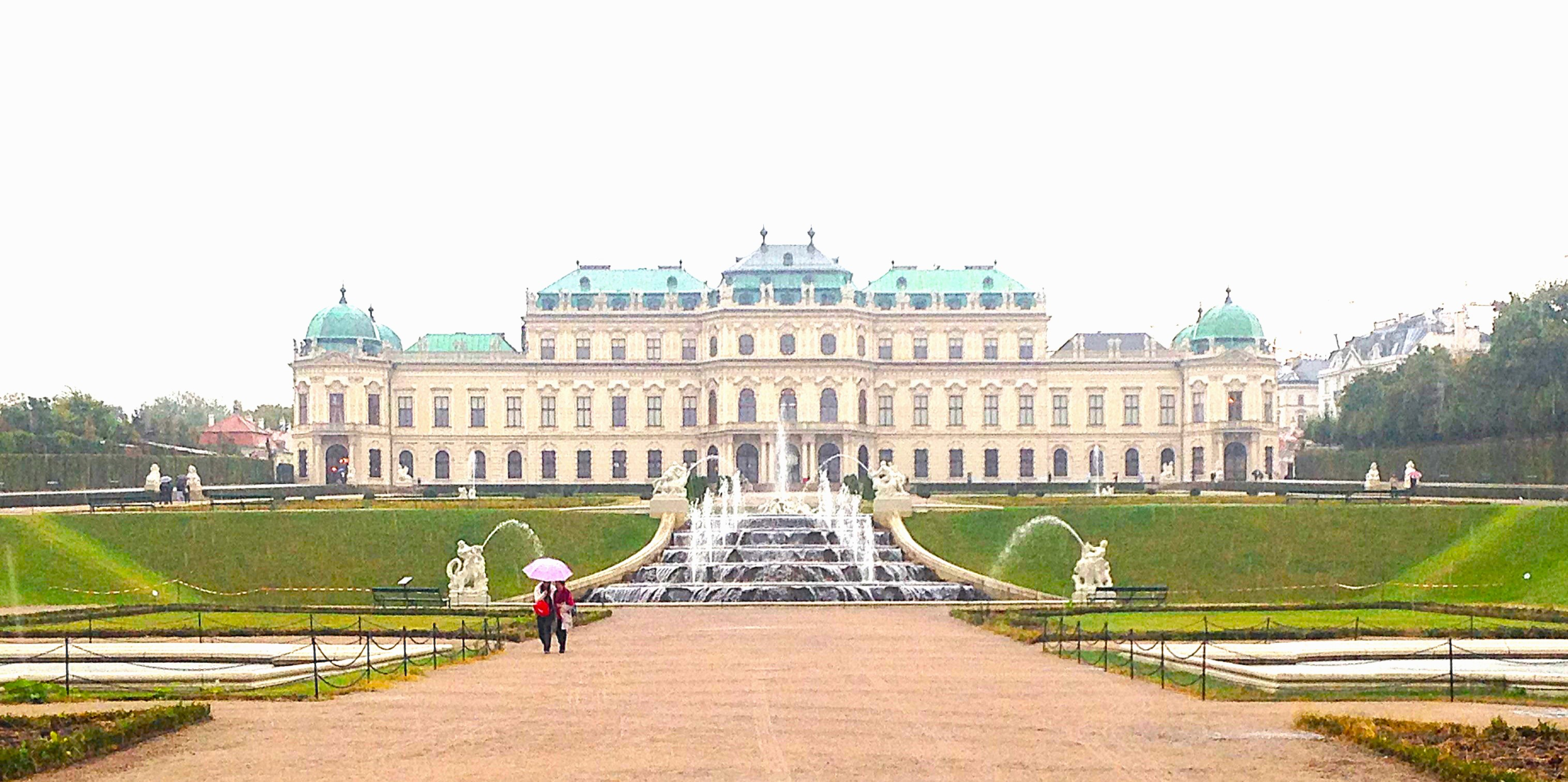


Vienna is full of elegant palaces and historic treasures, but few places capture the city’s imperial spirit like Belvedere Schloss. This Baroque masterpiece, once the lavish summer residence of Prince Eugene of Savoy, is now home to one of Austria’s most important art collections. It includes Gustav Klimt’s world-famous The Kiss. With its two palaces, sweeping gardens, and stunning views of Vienna, Visiting Belvedere Palace Vienna is more than just a side trip. It’s a cultural landmark you’ll want to set aside plenty of time to explore.
Why Belvedere is So Important
The Belvedere complex was built in the early 18th century as a summer retreat for Prince Eugene of Savoy. He was one of the Habsburg Empire’s most brilliant military minds. Today, it is recognized as a UNESCO World Heritage Site and one of Europe’s finest Baroque ensembles. Beyond the architecture and art, the Belvedere tells the story of Vienna at the height of its cultural and political influence.
How to Get to Belvedere Schloss
Belvedere is located in the Landstraße district, just southeast of Vienna’s city center. It’s easy to reach by public transport:
- Tram D stops right outside the Upper Belvedere entrance.
- S-Bahn to Quartier Belvedere station leaves you a short walk from the Lower Belvedere.
- U-Bahn (subway) riders can hop off at Südtiroler Platz–Hauptbahnhof and walk about 10 minutes.
If you’re based near Vienna’s historic center, you can even take a 20–25 minute walk. This is what we did. We started from the State Opera House to the palace grounds, enjoying a scenic route along the way.
What to See Inside Belvedere
The complex is divided into two palaces—the Upper Belvedere and the Lower Belvedere—connected by sprawling gardens.
- Upper Belvedere: This is the main attraction, housing the world’s largest collection of Austrian art. Here you’ll find Klimt’s The Kiss (arguably the star of the show). There are also works by Egon Schiele, Oskar Kokoschka, and other 19th- and 20th-century masters. The Baroque halls themselves are works of art, with grand staircases and frescoed ceilings.
- Lower Belvedere: Once Prince Eugene’s living quarters, this palace offers a more intimate experience. Highlights include the opulent Marble Hall, the intricate Grotesque Hall, and rotating exhibitions that showcase both historic and contemporary art.
- Belvedere 21: For something different, the nearby Belvedere 21 is dedicated to contemporary art. This adds a modern edge to the historic complex.
- Visit seasonally: In summer, the gardens are full of flowers. In winter, the Upper Belvedere often hosts a Christmas market with twinkling lights and stalls.
- Take a café break: Relax at the palace café for a Viennese coffee and Sachertorte. It’s the perfect way to round out the experience.
Stroll Through the Gardens
The Belvedere gardens are more than just a passageway between the Upper and Lower Palaces. They’re one of the finest examples of Baroque landscape design in Europe. Laid out in the French formal style, they feature tiered fountains, sculpted hedges, and mythological statues. It was designed by Dominique Girard, a pupil of the legendary Versailles gardener André Le Nôtre. The gardens follow a perfectly symmetrical layout that reflects harmony, order, and grandeur. The symmetrical design offers sweeping views, especially from the Upper Belvedere. From there you can look across the gardens toward the city skyline.

Symbolism of the Garden
As you wander along the central axis, you’ll notice three distinct terraces that symbolize a journey from the earthly world to the divine. Each level is carefully adorned with fountains, mythological statues, and ornate stone vases. These are all positioned to draw the eye upward toward the palaces. The perspective is breathtaking: standing at the Upper Belvedere, you can gaze down across the gardens toward the Lower Belvedere, with Vienna’s skyline rising in the distance.
In spring and summer, flowerbeds burst with color, creating an ever-changing tapestry of seasonal blooms. Autumn brings golden hues that make the sculptures and fountains look even more dramatic. In winter, the neatly trimmed hedges and snow-dusted paths offer a serene beauty all their own. The gardens are free to enter, making them a wonderful option for travelers who want a taste of Viennese elegance without spending a cent.

Don’t miss the reflection pools near the Upper Belvedere. The pools mirror the palace’s façade and make for some of the best photo spots in the complex. The garden’s sculptures—depicting gods, heroes, and allegorical figures—also reward a closer look. Many carry symbolic meaning tied to power and victory.
For those who like a slower pace, the side paths and shaded corners offer a quiet retreat, away from the busy museum crowds. Locals often come here for morning jogs, leisurely walks, or even to sit and sketch. Its a place where you can soak in a bit of everyday Viennese life.
A Perfect Day Visiting Belvedere Palace Vienna
If you’re wondering how to make the most of your visit, consider spending a full day at the Belvedere complex. With its palaces, museums, and gardens, there’s more than enough to fill your itinerary from morning to evening.
Morning: Start at the Upper Belvedere.
Begin your day at the Upper Belvedere, home to one of the most impressive collections of Austrian art. Here, you’ll find works from the Middle Ages to the present, with the crown jewel being Gustav Klimt’s The Kiss. Take your time wandering through the galleries—you’ll also see masterpieces by Egon Schiele, Oskar Kokoschka, and Ferdinand Georg Waldmüller. Don’t forget to step onto the palace’s terrace for panoramic views of Vienna; the morning light makes it especially stunning.
Late Morning: Stroll Through the Gardens.
After the museum, head outside to the formal Baroque gardens. Walk along the grand staircase and follow the central axis down toward the Lower Belvedere. Stop at the fountains, statues, and reflection pools along the way for photos. If you’re visiting in spring or summer, take a moment to admire the geometric flowerbeds in full bloom. Autumn visitors will enjoy the golden foliage.
Afternoon: Explore the Lower Belvedere and Orangery.
By midday, make your way to the Lower Belvedere, originally Prince Eugene’s residence. It now houses fascinating exhibitions and period interiors. The Orangery and Palace Stables often host temporary art displays. Check the schedule ahead of time to catch something new. This part of the complex feels more intimate and gives a glimpse into the opulent lifestyle of Vienna’s aristocracy.
Late Afternoon: Relax with Coffee and Cake
No Viennese day is complete without a coffee break. Pop into the on-site café or one of the nearby traditional coffeehouses. You can find a melange and a slice of Sachertorte or apple strudel. It’s the perfect way to rest your feet and soak in the atmosphere before continuing.
Evening: Sunset at the Upper Belvedere and Gardens
As the day winds down, circle back to the Upper Belvedere gardens. Sunset casts a magical glow over the palaces, and the reflection pools are especially photogenic at this time of day. Many visitors head back into the city center by now, so you’ll enjoy a quieter, more serene stroll through the grounds. Continue your evening in Vienna, perhaps heading toward the nearby Karlsplatz or the historic city center for dinner.
Spending a full day at Belvedere allows you to enjoy not just the art, but also the gardens, history, and atmosphere of one of Vienna’s most beloved landmarks at a relaxed pace.

Tips for Visiting Belvedere Palace Vienna
Tickets and Passes.
You can purchase tickets for each section (Upper Belvedere, Lower Belvedere, and Belvedere 21) individually. Or buy a combined ticket for full access. Booking online in advance is highly recommended to skip long lines (especially during peak travel season), save time and sometimes money.
How Much Time to Allow
Set aside at least half a day if you only want to see the highlights. If you’re following the “Perfect Day at Belvedere” itinerary, plan for a full day to take it all in.
Nearby Attractions
Belvedere is located close to other must-sees like Karlskirche, the Vienna State Opera, and the city’s historic center. You can easily combine your Belvedere visit with a short walk or tram ride to these iconic spots.
Getting There
The Belvedere complex is well connected by public transportation. The Vienna Hauptbahnhof (main train station) is only a short walk away, and trams D, 18, O, and 13A all stop nearby. If you prefer, taxis and rideshares are also convenient options.
- Photography is allowed in many parts of the museum, but flash is prohibited.
- Check the exhibitions calendar—the Belvedere often hosts special temporary shows that add even more variety to your visit.
Final Thoughts
Visiting Belvedere Palace Vienna is a journey into Austria’s golden age of art, architecture, and history. From Klimt’s shimmering masterpieces to the palace’s ornate halls and stunning gardens, every corner of the Belvedere invites you to slow down and soak in the atmosphere. Whether you’re in Vienna for a few days or a few weeks, this Baroque gem deserves a top spot on your itinerary.