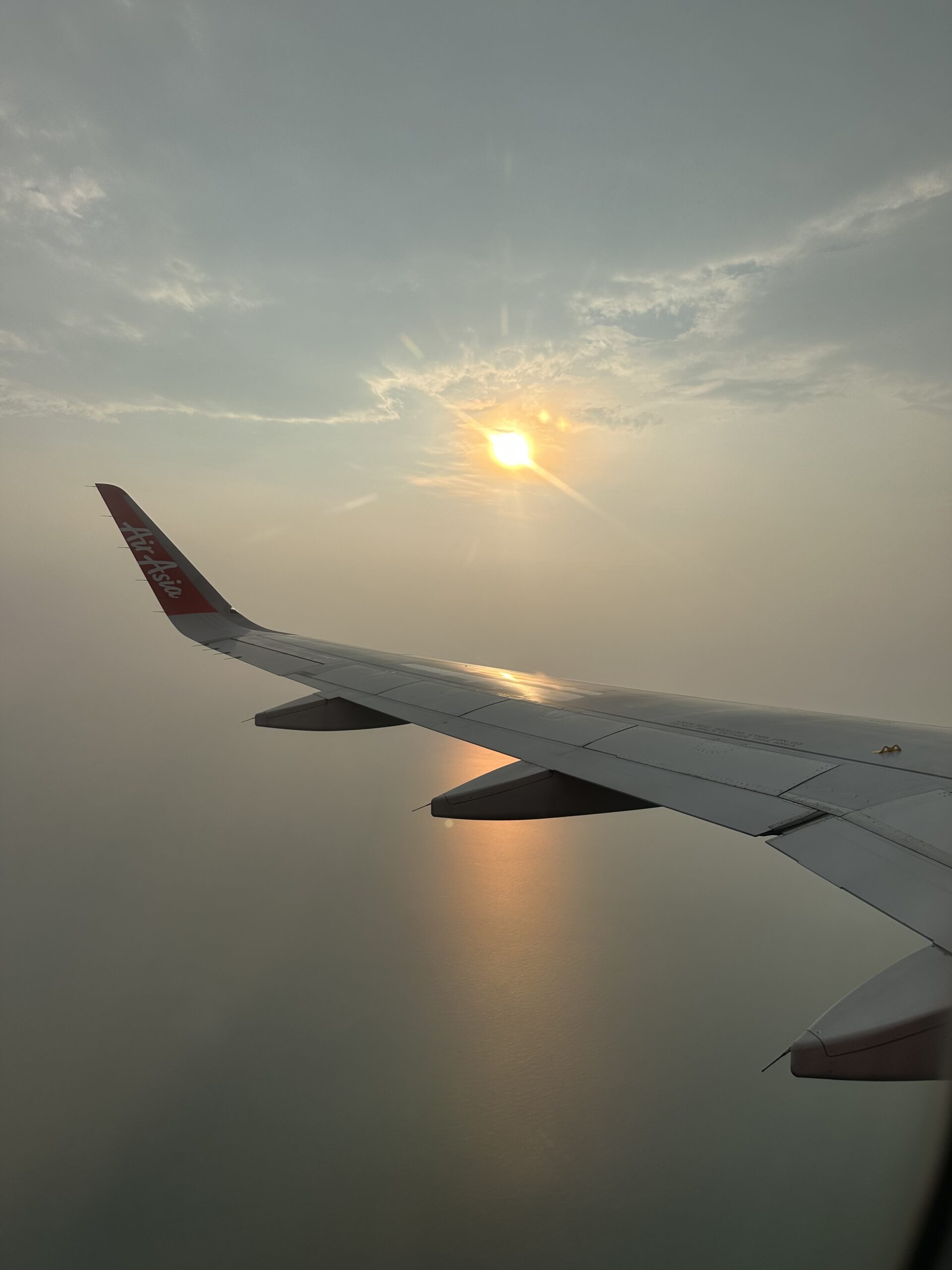

Long-haul flights can be equal parts exciting and exhausting. The thrill of reaching a faraway destination is often tempered by cramped seats, dry air, and restless hours in the sky. While flying business class might make things easier, sometimes we have to travel in economy due to either availability or budget — and that doesn’t mean you can’t arrive feeling (mostly) refreshed. How can you make long-haul flights more comfortable? With a few smart strategies, you can turn even the longest flight into a more manageable and comfortable experience.

Choose Your Seat Strategically
Not all economy seats are created equal. When booking, look at the aircraft seating map to find the best option. Exit row and bulkhead seats often provide more legroom, but may not have sufficient overhead storage or the ability to recline. While aisle seats make it easier to move around without disturbing your neighbors, they may be poor choices if you prefer to sleep (or look out the window). If you’re a light sleeper, avoid seats near the galley or bathrooms, where traffic and noise are constant. Tools like SeatGuru can help you pinpoint the best spots on your specific flight.
And remember – the best seat is the seat that works best for YOU. Not everybody has the same preferences and needs. So get informed and then make the choice best for you despite what the add-on fee is.
Dress for Comfort and Layer Up
Cabin temperatures fluctuate. And they can fluctuate significantly. Sitting for hours requires clothes that allow you to move freely. Opt for breathable fabrics, loose layers, and comfortable shoes you can slip off easily, and maybe a pair of flipflops to slip into. Bring a lightweight sweater or jacket, as cabins often get chilly mid-flight. And don’t forget socks if you plan to take off your shoes.
Bring Your Own Comfort Essentials
A few small items can make a big difference to make long-haul flights more comfortable. Consider packing:
- A neck pillow to support your head and prevent stiff muscles
- Noise-canceling headphones or earplugs to block out crying babies and cabin noise
- An eye mask to help you sleep despite bright cabin lights
- A reusable water bottle you can fill after security to stay hydrated (even prior to start of the inflight service)
- Moisturizer and lip balm to combat the dry cabin air
- Keep your toothbrush and toothpaste in your carry-on luggage
Move Often and Stretch
Sitting still for hours can leave you stiff — and more importantly, it can increase your risk of deep vein thrombosis (DVT). Set a goal to get up and move at least once every couple of hours. When you can’t leave your seat, try simple stretches: roll your ankles, flex and point your feet, and rotate your shoulders. Even small movements help improve circulation and keep your body more comfortable.
Hydrate and Eat Light
Airplane cabins are notoriously dry, and dehydration can worsen jet lag and fatigue. Drink water regularly throughout the flight, and go easy on caffeine and alcohol, which both dehydrate you further. Also be aware that the altitude will get you tipsy much faster, so go easy on the free wine. As for food, choose lighter meals and snacks that are easy to digest. Heavy, greasy foods may sit uncomfortably during long hours of sitting.
Create a Sleep-Friendly Environment
If you’re flying overnight, sleep is the best way to make the hours pass quickly. Adjust your watch to your destination’s time zone as soon as you board and try to align your sleep accordingly. Bring your own blanket or large scarf if possible, as airline-provided ones can be thin if they exist at all. And don’t be afraid to politely let your seatmates know if you’ll need uninterrupted sleep. A quick word upfront often prevents mid-flight disturbances.
Keep a Small “In-Seat Survival Kit” Handy
Pack a small pouch with everything you’ll need during the flight so you don’t have to rummage through the overhead bin. Include you ear buds or headphones, tissues, snacks, your phone charger, lip balm, hand lotion and any medications. You can even include an eye mask, toothbrush and some socks for overnight trips. Keeping essentials within reach saves stress and lets you settle in comfortably.
Embrace the Mental Shift
Perhaps the most important tip is adjusting your mindset. Instead of focusing on how many hours are left, think of the flight as a chance to slow down. Watch that movie you’ve been meaning to see, read a book, or use the time to plan your adventures ahead. Bring something you enjoy doing to help pass the time, whether that be work, knitting, listening to a downloaded podcast, or even playing cards with your seatmate. A relaxed outlook makes the experience feel less grueling.
The Bottom Line
Flying economy on a long-haul flight doesn’t have to be an endurance test. With the right preparation — from choosing a strategic seat and packing smart, to staying hydrated and keeping your body moving — you can make long-haul flights more comfortable. Step off the plane feeling ready to explore instead of desperate for a bed. After all, the journey is part of the adventure, and a little comfort goes a long way.