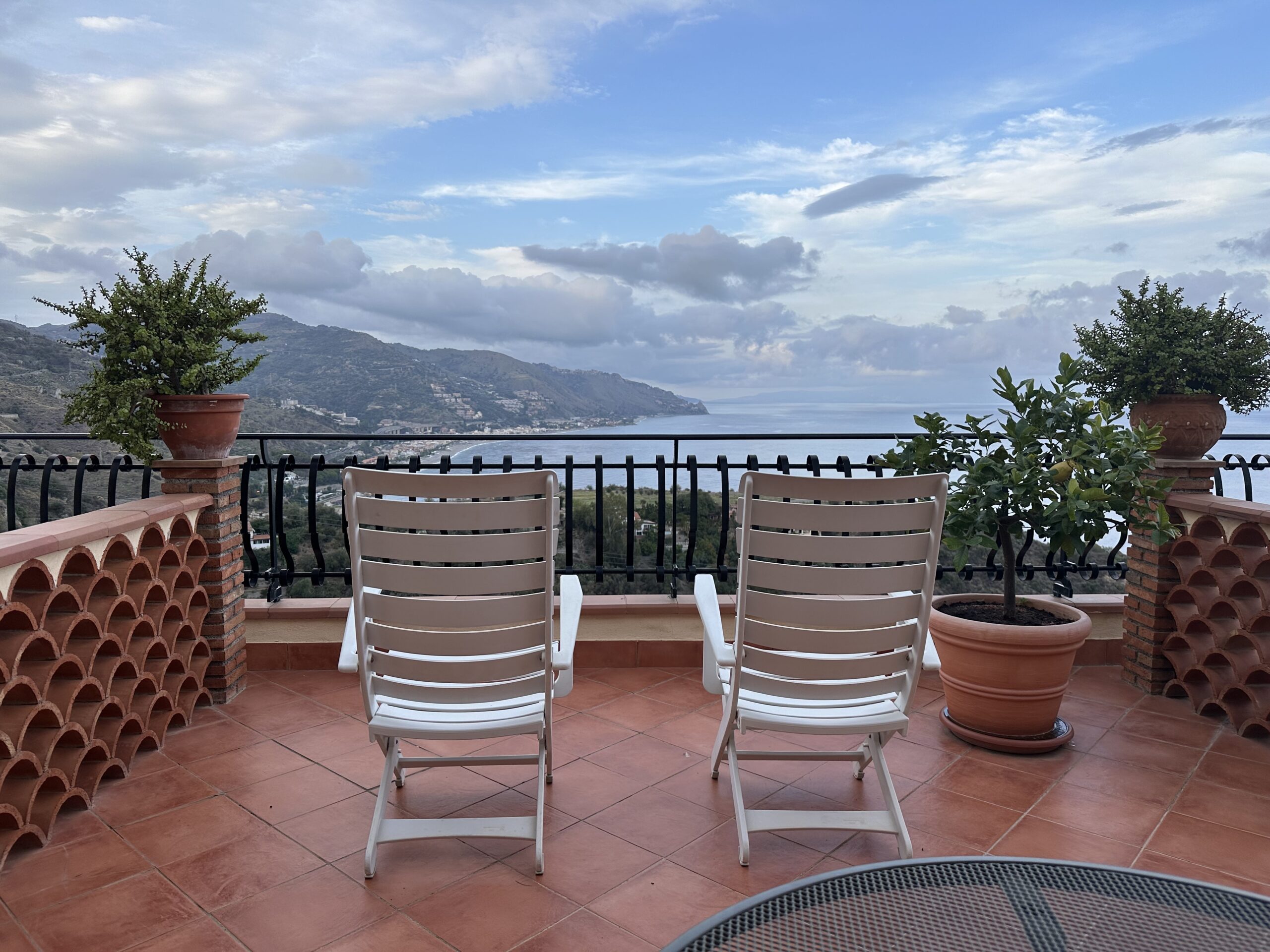

One of the biggest debates among travelers is whether to plan every detail or to simply go with the flow. Too much structure, and you risk feeling like your trip is a checklist. Too little, and you may miss out on key experiences or waste precious time figuring out logistics. The secret lies in striking a balance. Build flexibility into your travel plans so you can adapt to the unexpected, while still keeping enough structure to ensure a smooth and meaningful journey.

Start with Anchors, Not Itineraries
Think of your trip as a framework rather than a fixed schedule. Identify a few anchors — the must‑see sites, events, or experiences you don’t want to miss. Plan around those anchors, like milestones. For example, if you’re visiting Paris, you might anchor your trip with a morning at the Louvre one day and an evening Eiffel Tower visit on another. But leave the afternoons free for wandering the Marais or stumbling upon a hidden café. Anchors give your trip direction without boxing you in.
Leave Room for Serendipity
The most memorable travel moments often aren’t the ones you planned. Whether it’s a street festival you didn’t know was happening, a local inviting you to dinner, or simply finding a quiet square to linger in. These surprises need open space in your itinerary. Aim to leave at least 25–30% of each day unscheduled. You can certainly keep more unscheduled, but start at a level which feels comfortable for you. You’ll not only feel less rushed, but you’ll also have time to seize opportunities as they appear.

This moment was captured in Malta. We had spent much of the day seeing the sites and touring the fortresses. We heard about a locals bar on the rooftop that we were encouraged to check out. It had amazing panoramic views across the harbor. It became one of our most iconic moments of the trip.
Another unplanned side trip from Barcelona to Tarragona found us right in the middle of the Parade of the Gigantes. We witnessed huge, 12 foot tall puppets tromping through the streets, depicting the history of the town. Toward the end we were part of the festival, victims of the gags and lured out to dance with the players.

Use “Soft Reservations”
Booking everything in advance can make a trip feel rigid. But going without any bookings can create stress if you aren’t used to it. A smart middle ground is using reservations you can cancel or change easily. Many hotels, tours, and even train tickets now offer flexible cancellation policies. These soft reservations give you the security of having a plan, with the freedom to adjust if your mood or circumstances change.
And, for those a bit more open to winging it, get reservations for the first few days at the place you’re going to. You can keep the latter half of the trip open to get a lay of the land once you arrive. Had we stayed on the itinerary when driving from Venice to Florence, we might have missed out on beautiful Verona. A mere whim and a Shakespearean reference gave us Juliet’s balcony and an amazing evening in the Roman theater.
Similarly, on a drive from Lisbon to Porto, something possessed us to stop off in the charming Medieval walled town of Obidos. But we are so glad we did. Inside the walled city was an amazing castle with its own little whitewashed town. And we actually got to stay overnight in a part of the castle!

Keep in mind, though, that if you are traveling to major tourist destinations during the busy seasons, the hotels you want to stay in may not have availability. Always check on availability, conference and event schedules which may crowd the area. And plan for hotels in advance in metropolitan areas.
Mix Busy Days with Rest Days
Flexibility also means taking care of your energy. Packing too much into every day leads to burnout, while doing too little may leave you restless. Try alternating high‑activity days (like a full‑day hike or a museum marathon) with lighter ones, so you can recharge and stay open to spontaneous detours.
Embrace Travel Technology Wisely
Apps like Google Maps, Rome2Rio, and local transportation apps can help you pivot quickly when plans shift. But use them as tools, not crutches. Download offline maps in case of spotty service, and always have a general sense of your surroundings so you don’t become over‑reliant on your phone. And always keep a battery backup or wireless charger with you. Flexibility is much easier when you know you won’t get lost the minute you stray from your plan.
Expect the Unexpected — and Welcome It
Flight delays, weather changes, or a closed attraction might feel like setbacks, but with a flexible mindset, they can turn into opportunities. A rainy day might push you into a cozy bookstore you’d otherwise have skipped. We stumbled into one of the most beautiful bookstores I have ever seen while in Porto, Portugal. This library, the Livraria Lello, is often cited as one of the influences for the movie version of the magical Hogwarts school’s interiors and the wizarding world’s bookshop.

A canceled ferry might lead to an unexpected road trip. Building flexibility into your plans means not only leaving space for spontaneity but also learning to see the unexpected as part of the adventure. Which reminds me of our ferry ride on the way to Preikestolen, or Pulpit Rock in Norway…..
The Takeaway
The best trips strike a balance between the security of a plan and the freedom of the unknown. By creating a framework of anchors, leaving room for serendipity, and using flexible bookings, you can travel with confidence while still embracing the surprises that make every journey unique. After all, the best stories rarely come from sticking to a rigid schedule — they come from the moments you didn’t see coming.