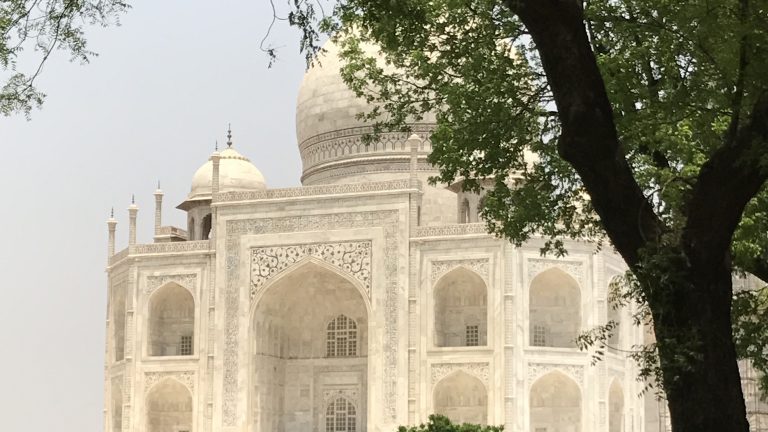


Visiting the majestic Taj Mahal in Agra India is a bucket list experience for travelers across the globe. This world-famous symbol of love, a UNESCO World Heritage Site, draws millions each year.
My Unforgettable Experience in Agra
Even though I had been to India for work many times, I had missed heading to Agra. But when I was out for two weeks and had a long weekend to spend, I made a point to visit. I went with two of my amazing work colleagues, and we decided to travel by car with one of the drivers from work. The ride itself turned out to be half the fun—we laughed the entire way, swapping stories and soaking in the changing scenery as we left the city behind.
Once we arrived, the magic of Agra took over. Visiting the Taj Mahal with them was a moment I’ll never forget—standing there in the morning light, in awe of its beauty, was truly special. We spent hours exploring, taking photos, and even just sitting quietly to take it all in. It wasn’t just a sightseeing trip; it was one of those rare experiences that bond people in the best way.
It reminded me how travel isn’t just about the destination—it’s also about who you share it with. And this one will be etched in my memory for a long, long time.
So, before you go, I have a few tips to help you plan your trip so you can enjoy the beauty, history, and atmosphere of Visiting the Taj Mahal without the hassle. Here’s everything you need to know to make your trip to Agra smooth, memorable, and rewarding.
Why Visit Agra?
A visit to Agra is like stepping into the pages of history—rich, dramatic, and unforgettable. Home to the world-famous Taj Mahal, Agra offers more than just a postcard-perfect photo; it offers an experience steeped in love, artistry, and architectural grandeur.
The Taj Mahal is often described as the greatest monument to love ever built—and for good reason. Commissioned in 1632 by the Mughal Emperor Shah Jahan, it was created as a final resting place for his beloved wife, Mumtaz Mahal, who died during childbirth. Grief-stricken and determined to honor her memory, Shah Jahan poured unimaginable resources and artistic vision into the project, drawing craftsmen from across the empire to build a marble masterpiece unlike anything the world had seen. The symmetry, delicate carvings, and shifting colors of the Taj Mahal reflect not only architectural genius but also the depth of Shah Jahan’s devotion. It’s not just a mausoleum—it’s a timeless expression of enduring love and loss, written in stone.
Agra boasts a rich Mughal history, fascinating architecture, and a vibrant local culture. Beyond the iconic marble mausoleum, the city is dotted with other Mughal-era wonders like the majestic Agra Fort and the ghost city of Fatehpur Sikri, each echoing centuries of imperial legacy. The streets are alive with the scent of sizzling chaats, the sparkle of handcrafted marble goods, and the rhythm of daily life that pulses around these historic sites. For anyone interested in culture, romance, or history, Agra is a must-see destination that lingers long after the trip ends.
How to Get to Agra
From Delhi:
- By Train: The Gatimaan Express and Shatabdi Express are two of the fastest and most comfortable options. The journey takes 1.5 to 2 hours.
- By Road: You can drive or hire a taxi from Delhi (about 3.5 to 4 hours via Yamuna Expressway).
- By Air: Agra has a small airport, but most travelers fly into Delhi and travel overland.
Tip:
If you’re short on time, book a same-day return trip from Delhi with a reputable tour provider.
Best Time to Visit
- October to March is the ideal season—cooler temperatures and clearer skies.
- April to June can be extremely hot (above 40°C / 104°F).
- July to September brings the monsoon. While the crowds are fewer, rain may disrupt your plans.
Entry Details for the Taj Mahal
- Opening Hours: 6 AM to 6:30 PM (closed Fridays).
- Night Viewing: Available on full moon nights and two days before and after (except Fridays and Ramadan).
- Tickets: Can be booked online via the official Taj Mahal website or purchased at the gate.
- Indian citizens: ₹50–250
- Foreign tourists: ₹1100–1300
- Additional ₹200 if you want to enter the main mausoleum.
Entry Gates:
- East Gate: Less crowded, recommended for most tourists.
- West Gate: Main gate, usually more crowded.
- South Gate: Mostly for locals, ticketing closed before noon.

What to Bring (and What Not to)
Bring:
- Government-issued ID or passport
- Comfortable walking shoes
- Sun protection (hat, sunglasses, sunscreen)
- Water bottle (though only small ones are allowed)
- Camera (no drones, no tripods)
Not Allowed:
- Food and drinks (except small water bottles)
- Large bags or backpacks
- Cigarettes, lighters, sharp objects
- Drones, selfie sticks, or tripods
There are locker facilities outside the gates to store banned items.
Photography Tips
- Sunrise is the best time for soft light and fewer crowds.
- The Mehtab Bagh across the river offers a spectacular view of the Taj at sunset.
- Drones are prohibited and strictly enforced.
- Don’t touch or climb the monument—preservation is key.
Dress Code and Etiquette
While there’s no strict dress code, modest clothing is recommended, especially if you plan to visit other religious sites.
- Cover shoulders and knees.
- Remove shoes before entering the main mausoleum.
- Respect quiet zones, especially around the tomb.
Where to Stay in Agra
You can totally do Agra and the Taj Mahal from Delhi in a day. If you choose to stay overnight, here are some options:
- Luxury: The Oberoi Amarvilas (unmatched views of the Taj)
- Mid-range: Trident Agra, ITC Mughal
- Budget: Zostel Agra, Moustache Hostel
Stay near the East Gate if you want easy access to the monument for sunrise visits.
Other Must-See Attractions in Agra
- Agra Fort: A red sandstone fortress with palaces, mosques, and a view of the Taj.
- Itimad-ud-Daulah (“Baby Taj”): A delicate marble tomb and architectural inspiration for the Taj Mahal.
- Mehtab Bagh: The moonlit garden across the Yamuna River, perfect for views and photos.
- Fatehpur Sikri: A UNESCO-listed Mughal ghost city about 40 km from Agra.
Travel Tips and Safety
- Hire a certified guide or use an audio guide app to avoid touts.
- Avoid buying overpriced souvenirs from aggressive sellers near the gates.
- Beware of pickpockets in crowded areas.
- Carry small denominations of cash; many small vendors don’t accept cards.
- Stay hydrated and plan for rest if visiting in warmer months.
Suggested Itinerary (1.5 Days)
Day 1:
- Morning and/or Sunrise visit to the Taj Mahal
- Breakfast and rest
- Afternoon: Agra Fort
- Sunset: Mehtab Bagh
- Dinner and overnight stay
Day 2 (Optional):
- Visit Itimad-ud-Daulah
- Drive to Fatehpur Sikri before heading out
Final Thoughts
Visiting the Taj Mahal is not just a sightseeing trip—it’s a cultural and emotional experience that connects you to one of the world’s most moving love stories. With the right planning, a little patience, and a sense of wonder, your journey to Agra will be one you’ll never forget.